
Call Now For a FREE Price Estimate!
(816) 844-6949When you decide to install a new patio design, know that it's an excellent choice for affordable outdoor living space, perfect for relaxing and entertaining. Today’s patio design materials come in a wide range of styles and color tones, so you’re sure to find something that coordinates with your home’s exterior color, your patio furniture style, and even your beautiful landscape features.
Patio design materials cost anywhere from $5 to $50 per square foot, with most people paying between $8 and $10 per square foot. A standard 12x12 patio design averages around $1000 or just slightly more, depending on the materials chosen and needed prep work for your yard.
The cost of a new patio design will vary according to its size, your chosen paver stones, stamped concrete surfaces, and any add-ons such as decorative planter boxes, retainer or privacy walls, and built-in lighting. Despite its costs, a new patio is typically one of the most affordable ways to add outdoor living space to your yard, and most will last for years, if not decades before they need restoration or replacement.

Before you start shopping for paver stones, however, you might note this quick step-by-step guide for patio installation and the cheapest way to build a patio. This will ensure you choose the right materials for your project and know when to call a patio contractor near you versus trying to DIY this project!

New patio installation isn’t always as easy and straightforward as it seems, even if it's just following the steps for how to build a small patio. Improper installation can result in damaged flooring, uneven surfaces, tripping hazards, and an unsightly design. Consider how to install a new patio using standard pavers, so you know if this is a job you can tackle or if it’s best to leave it to the professionals.
Once all these steps for how to build a patio are complete, it’s time to set down your paver stones and tap them into place firmly with a rubber mallet. Check your progress as you go so you ensure straight lines and follow any planned pattern with your stones. To save some energy on this step, consider options for stamped concrete designs.

To cut pavers for your patio edge or to fit around obstructions, simply measure the size of the paver needed and hold a thick chisel at that point. Tap the back of the chisel with a rubber mallet until it cuts through the paver.
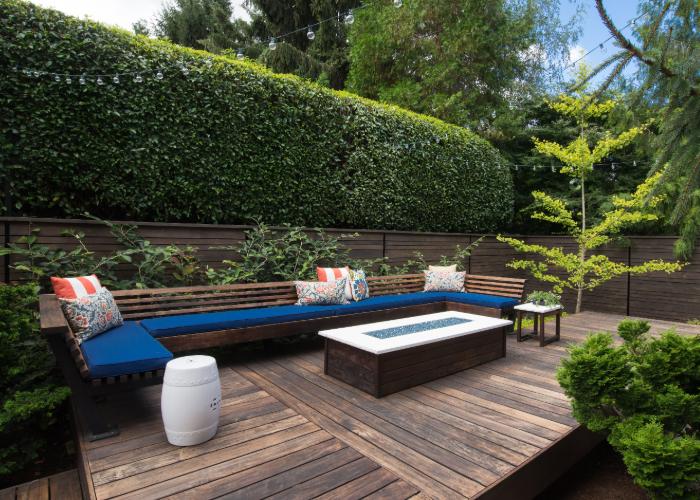
If you’re like most homeowners, you don’t want your outdoor space to look like every other patio in the neighborhood! The good news is that there is a wealth of options for patio design materials, so you’re sure to find something that fits your style and budget while also incorporating existing landscape into your new outdoor living area. Note a few of the most popular options here, along with a few of their pros and cons.
Setting out some bricks or pavers will provide a functional outdoor space, but rushing through your patio design project and trying to do a DIY patio won’t provide an eye-catching, welcoming spot you’ll love to use for relaxing and entertaining! To add some personality and spruce up your patio design, consider a paver pattern rather than setting them in straight lines next to each other.

Note a few suggestions for brick or paver patterns. A herringbone pattern sets bricks in an L shape, and a 45-degree herringbone tilts those L shapes to a 45-degree angle. A basketweave pattern sets two bricks next to each other and then two bricks next to those running in the opposite direction. If these patterns seem a bit complicated, use a running bond pattern; place two bricks or pavers, so their ends meet right above the middle of a paver under it.
You might also spruce up your patio by setting pavers out in a shape other than a dull square; try a circle, two circles touching each other or a freeform around a nearby tree or landscaping feature. You might also add a path from the patio to a nearby landscaping feature for even more stunning visual appeal!
What is a dry land patio?
The term dry land patio refers to a patio installed without wet concrete or asphalt; rather, it will consist of stones, gravel, or pavers set over your property’s soil. A DIY dry land patio saves money on the cost of a patio contractor, but the work is cumbersome, and your soil will need proper prep, so consider leaving this in the hands of a pro as needed.
How long should a new patio design last?
Concrete, asphalt, and stone need consistent sealing to stay durable; with proper maintenance, concrete and asphalt should last at least a decade before needing replacing. Natural stone might last indefinitely! Ask your patio design contractor about needed maintenance for your chosen footing material and how long you should expect your beautiful new patio to last before needing repairs. And never attempt to do a DIY patio. You'll only end up disappointed. Call The Deck Builders of Kansas City for a FREE Quote.